
How to Safely and Easily Remove Blood From Upholstery
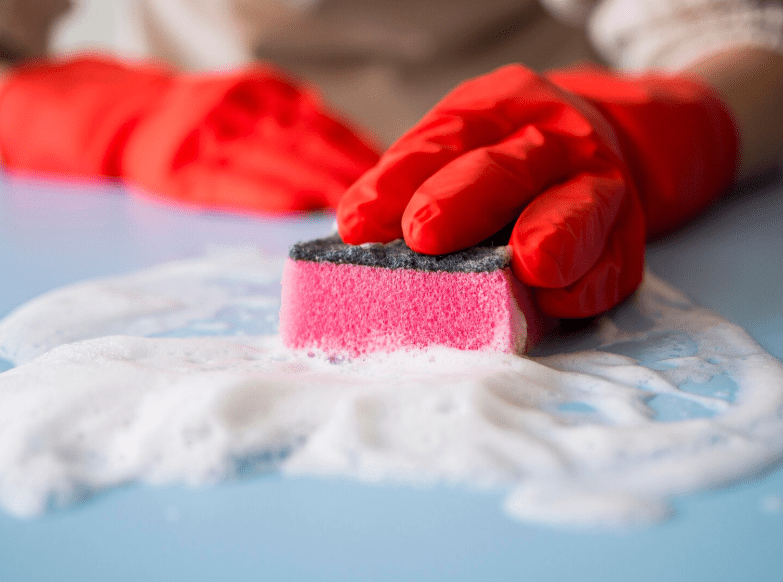
Blood stains happen. Someone gets a nosebleed on the couch, a kid scrapes their knee, or you accidentally nick yourself while moving furniture. The panic sets in fast. But here’s the thing, most blood stains don’t have to be permanent fixtures on your furniture. Getting them out takes some know-how and the right approach. Think of it like finding dependable carpet cleaning for your floors, you need solid techniques that actually work. This guide covers everything from basic cold water tricks to heavy-duty enzyme cleaners that break down stubborn stains.
Pre-Treatment With Cold Water
Cold water is your starting point. Hot water will set blood stains, so don’t even think about it. Get a clean cloth, run it under cold water, and wring it out so it’s damp but not dripping everywhere. Press it onto the stain and work from the edges toward the center. This keeps things contained instead of spreading the mess outward across your upholstery.
Don’t scrub. Seriously, don’t do it. That just grinds the blood deeper into the fabric. Just press and lift, press and lift. Keep switching to clean parts of your cloth or grab a new one when it gets too saturated. You’ll see the stain getting lighter as you go. It’s tedious, yeah, but it works. Once the stain looks noticeably better, you can move to the next step.
Blotting the Bloodstain
Blotting is basically the art of patience. You’re lifting the blood out of the fabric instead of rubbing it around. Press your damp cloth down on the stain, hold it for a second, then pull straight up. You’ll see the blood transferring onto your cloth, that’s what you want.
Switch clothes often. Like, more often than you think you need to. A saturated cloth just moves the stain around instead of removing it. Work from the outside edges inward, same as before. The whole process feels repetitive, but that’s kind of the point. Keep at it until your cloth stops picking up blood. That’s when you know you’ve gotten most of it out with just water.
Using a Mild Detergent Solution
Time to bring in some soap. Mix a bit of gentle dish soap or laundry detergent with cold water in a spray bottle. Nothing fancy, just something mild that won’t wreck your fabric. Spray it onto the stain until it’s pretty well saturated.
Grab your clean white cloth again and start dabbing. The detergent helps break down what the water alone couldn’t get. You’ll see more of the stain lifting out. Keep dabbing until you stop seeing progress, then spray and dab again if needed. After you’ve gotten the stain out (or as close as you can get), take another cloth dampened with plain cold water and blot away the soap residue. Nobody wants sticky furniture. Finish with a dry cloth to soak up excess moisture.
Applying Hydrogen Peroxide
Hydrogen peroxide is great for blood, but test it first. Find a hidden spot on your furniture, under a cushion or on the back, and dab a little peroxide there. Wait a few minutes. If the fabric looks fine, you’re good to go.
Pour some peroxide straight onto the stain. Don’t be shy about it. Let it sit for maybe 5-10 minutes. It’ll bubble up a bit, which is actually kind of satisfying to watch. That bubbling means it’s working, breaking down the blood proteins. After it’s had time to do its thing, blot it up with a clean cloth. Rinse with cold water, blotting as you go. If there’s still some stain hanging on, hit it with peroxide again.
Using Enzyme Cleaner for Tough Stains
Some stains are just stubborn. That’s where enzyme cleaners come in. These products are specifically made to eat through organic stains like blood. You can find them at most grocery stores or online.
Same drill as the hydrogen peroxide, test it somewhere hidden first. Once you know it’s safe, apply it generously over the bloodstain. Make sure you really saturate the area. Read the bottle for timing, but usually you’re looking at 10-15 minutes of waiting. The enzymes need time to break down the proteins in the blood. After that, blot everything up with a fresh cloth. Stubborn stains might need a second round.
Final Steps for Upholstery Restoration
Drying matters more than people realize. Moisture trapped in upholstery can lead to mold, and that’s a whole different nightmare. Open windows, turn on fans, whatever gets air moving over the cleaned area.
Don’t sit on it right away. Let it dry completely, even if that takes a few hours or overnight. Once it’s dry, take a close look. Is the stain really gone? Does it smell okay? If you’re still seeing traces or catching a weird odor, run through the cleaning process again. And if nothing’s working, calling professional upholstery cleaners isn’t admitting defeat, sometimes you just need the industrial-strength equipment they’ve got.
Related Topics: