
Effective Ways on How to Clean Mold From Carpet
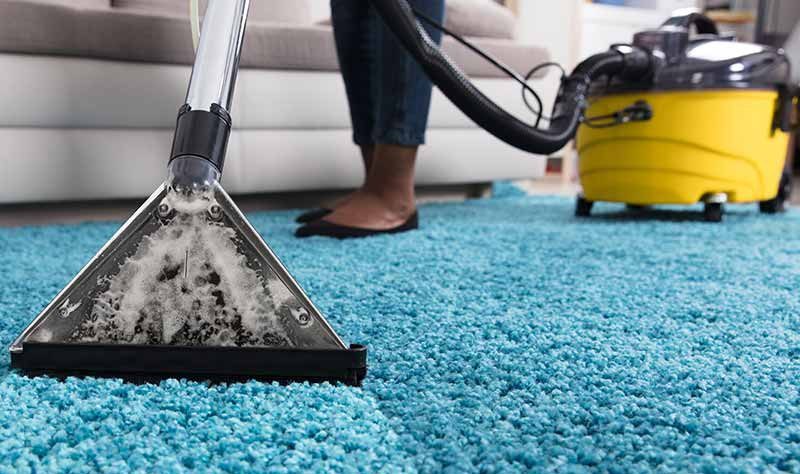
Mold on carpets is a common household problem that requires immediate attention. Understanding how to clean mold from carpet properly can save you money and protect your family’s health. Professional carpet cleaning specialists recommend taking action promptly when you notice mold growth. The cleaning process involves several key steps, from identifying the type of mold to properly drying the affected area. This guide will walk you through each step to remove mold safely and prevent it from returning.
Identifying the Mold
Inspect the affected carpet area carefully for visible signs of black, green, or white fuzzy patches, musty odors, or discoloration. When learning how to clean mold from carpet, proper identification is the first step. Mold typically appears as fuzzy growth on the carpet surface and comes in various colors. Black mold appears as dark, slimy patches, while green or white mold indicates a different species. A musty smell often signals the presence of mold before any visible signs appear. Discolored carpet fibers are another warning sign that needs immediate attention to stop the mold from spreading further.
Gathering Necessary Supplies
Before starting the cleaning process, collect these items:
- Protective Gear: Wear gloves, a mask, and safety goggles to protect yourself from mold spores.
- Cleaning Solution: Mix mild dish soap or detergent with water for cleaning.
- Scrubbing Brush: Use a stiff-bristled brush to scrub and loosen mold from carpet fibers.
- Clean Cloth or Sponge: Keep clean cloths handy to blot and wipe the mold-infested area.
These supplies help you handle carpet mold safely and efficiently.
Vacuuming the Affected Area
Begin by thoroughly vacuuming the affected area to remove loose mold spores and debris. Use a vacuum cleaner with a HEPA filter to prevent mold spores from spreading. Ensure your vacuum filter is clean and functioning properly before you start. Vacuum the moldy carpet slowly and methodically, overlapping each pass for thorough spore removal. Focus extra attention on areas with visible mold growth, particularly in corners and edges where mold tends to accumulate most. After vacuuming, dispose of the vacuum bag immediately. Alternatively, empty the canister into a sealed plastic bag and discard it outside to prevent spore contamination.
Applying Cleaning Solution
Select a cleaning product specifically designed for removing mold from carpets. Test the solution on a small, hidden area first to verify it won’t damage your carpet material. Apply the cleaning solution generously over the affected area, saturating the carpet fibers where mold appears. Allow the solution to sit for the recommended time, allowing it to penetrate deeply into the fibers and kill the mold spores. Follow the product manufacturer’s instructions for best results and safe application.
Scrubbing and Drying the Carpet
Scrub the moldy spots vigorously using a stiff-bristle brush or sponge. Work in circular motions to loosen the mold from the carpet fibers. After scrubbing, blot the area with clean cloths to absorb as much moisture as possible. Open windows and use fans or dehumidifiers to expedite the drying process—point fans directly at the carpet to help water evaporate quickly. Complete drying is necessary to stop mold from growing back. Monitor the area until it’s completely dry to prevent any remaining moisture from encouraging new mold growth.
Preventing Future Mold Growth
Address underlying moisture problems to stop mold from returning. Here are practical prevention steps:
- Maintain Proper Ventilation: Keep good air circulation in your home to reduce humidity.
- Monitor Indoor Humidity: Use a hygrometer to maintain humidity levels between 30% and 50%.
- Address Leaks Promptly: Fix pipe, roof, or window leaks immediately to prevent water buildup.
- Use Dehumidifiers or Air Conditioners: These devices reduce excess moisture in the air, stopping mold growth.
Related Topics: