
Can You Use a Carpet Cleaner on a Rug Without Damaging It?
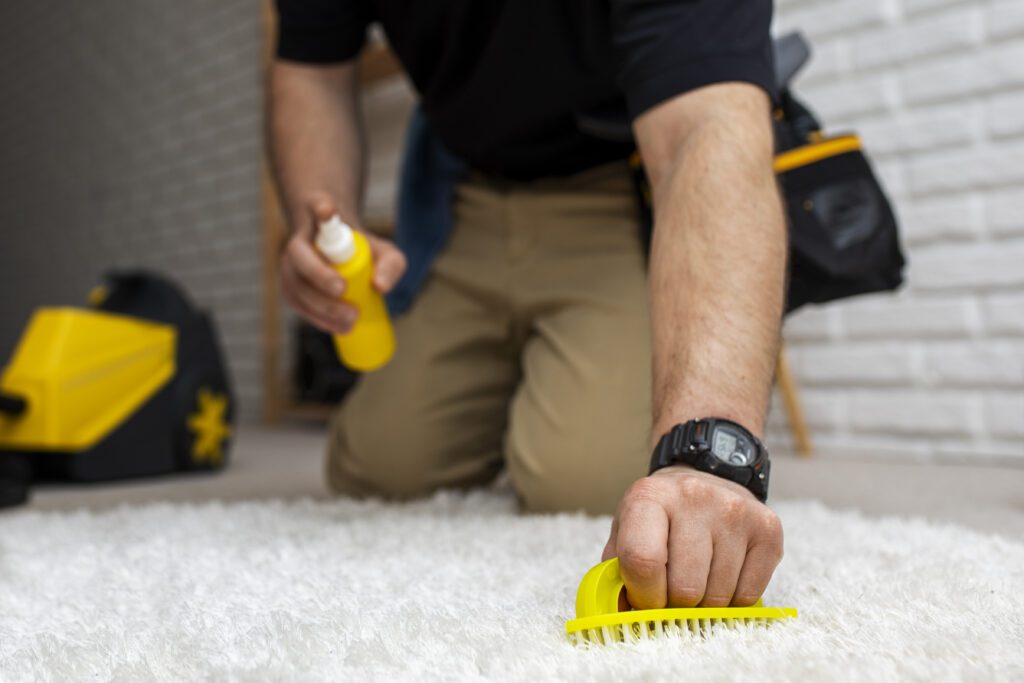
So you’ve got a nice rug that’s looking a little worse for wear, and you’re staring at your carpet cleaner, wondering if it’s safe to use. It’s a fair question, rugs can be expensive, and the last thing you want is to turn your beautiful Persian into a shrunken, discolored mess. While some people swear by premium carpet cleaning services, plenty of folks successfully clean their rugs at home without any drama.
The trick is knowing what you’re working with and taking a few precautions before you dive in. We’re going to walk through everything you need to know about material types, proper settings, drying methods, and how to handle those inevitable stains without wrecking your rug in the process.
Understanding Rug Material Compatibility
Here’s the thing about rugs: they’re not all created equal. What works perfectly on one rug might totally destroy another. Natural fibers like wool and silk are pretty delicate and need gentler treatment. Think of them like your favorite cashmere sweater, you wouldn’t throw that in the wash with bleach, right? Same concept. Synthetic materials like nylon or polyester are way tougher and can handle stronger cleaning products without complaining. Your best bet is checking whatever tag or paperwork came with your rug. Most manufacturers will spell out exactly what you should and shouldn’t use. If you’re not sure what your rug is made of, err on the side of caution and go gentle. Better safe than sorry when you’re dealing with something that costs you a few hundred bucks.
Testing Cleaning Solutions on a Small Area
Never, and I mean never, just spray cleaner all over your rug without testing it first. Find a corner that nobody ever sees, maybe under the couch or behind a door, and do a patch test. Put a tiny bit of your cleaning solution on that spot and wait. See if the color bleeds, if the fibers get weird, or if anything else sketchy happens. This simple step can save you from a disaster. You don’t want to find out halfway through cleaning that your solution is eating through the rug or turning your burgundy into pink. Give it at least 24 hours to dry and make sure there’s no discoloration or damage. If everything looks good, you’re clear to proceed. If not, you just dodged a bullet.
Proper Carpet Cleaner Settings for Rugs
Your carpet cleaner probably has different settings for a reason. Don’t just crank everything to max and hope for the best. For synthetic rugs, keep the temperature lower and skip the harsh chemicals. A mild cleaning solution designed for synthetics will do the job without being aggressive. Natural fiber rugs like wool or cotton can’t handle heat well at all, think cool settings only, or you risk shrinkage and damage. The pile depth matters too. Got a thick, shaggy rug? Higher suction makes sense. Flat-weave or low-pile? Dial it down, or you might stress the fibers. Before you clean the whole thing, test your settings on that same hidden spot you used earlier. Better to discover a problem on a two-inch square than across your entire rug.
Drying Techniques to Avoid Damage
Getting your rug dry properly is just as important as cleaning it. Seriously, you can do everything right up to this point and still mess it up during the drying phase. First things first, find a spot with good airflow. Stagnant air means your rug sits there damp forever, which opens the door for mold and mildew. Not fun. Keep it out of direct sunlight, though, unless you want your colors to fade into oblivion. Sun damage is real. Grab some clean towels and press them against the rug to soak up extra water; don’t rub; just press. If your rug is small enough to flip, do it every few hours so both sides dry evenly. A wet rug sitting on one side for too long can develop a musty smell or even start growing stuff you don’t want in your house.
Addressing Stains and Odors Safely
Stains happen. Coffee spills, pet accidents, whatever, it’s part of life. The key is acting fast and using the right approach. For water-based stains like juice or wine, blot them immediately with a clean cloth. Don’t rub; that just pushes the stain deeper into the fibers. Mix some mild detergent with water and dab at the stain gently. For greasy stains like makeup or cooking oil, you’ll need a solvent-based cleaner. Test it first on that hidden spot (seeing a pattern here?) to make sure it won’t mess up the colors. Got a funky smell? Sprinkle baking soda all over the rug, let it hang out for a few hours, then vacuum it up. Baking soda is magic for absorbing odors. Just make sure you’re following any specific care instructions that came with your rug, and when in doubt, test before you commit.
Professional Cleaning Vs. DIY Methods
Look, professional cleaners know what they’re doing. They’ve got specialized equipment, industrial-strength solutions, and years of experience. If your rug is expensive, antique, or made from something delicate like silk, professionals are probably worth the investment. They’ll get it deep-cleaned without the risk of you accidentally ruining it. That said, hiring pros costs money and requires scheduling, which can be a hassle. DIY cleaning lets you tackle spills right when they happen, and you can do it on your own timeline. The downside is you might not get the same level of cleanliness, and there’s always the risk of making a mistake if you’re not careful. Weigh what matters more to you, convenience and immediate results, or peace of mind knowing an expert handled it. Both approaches work; it just depends on your situation and comfort level.
Related Topics: